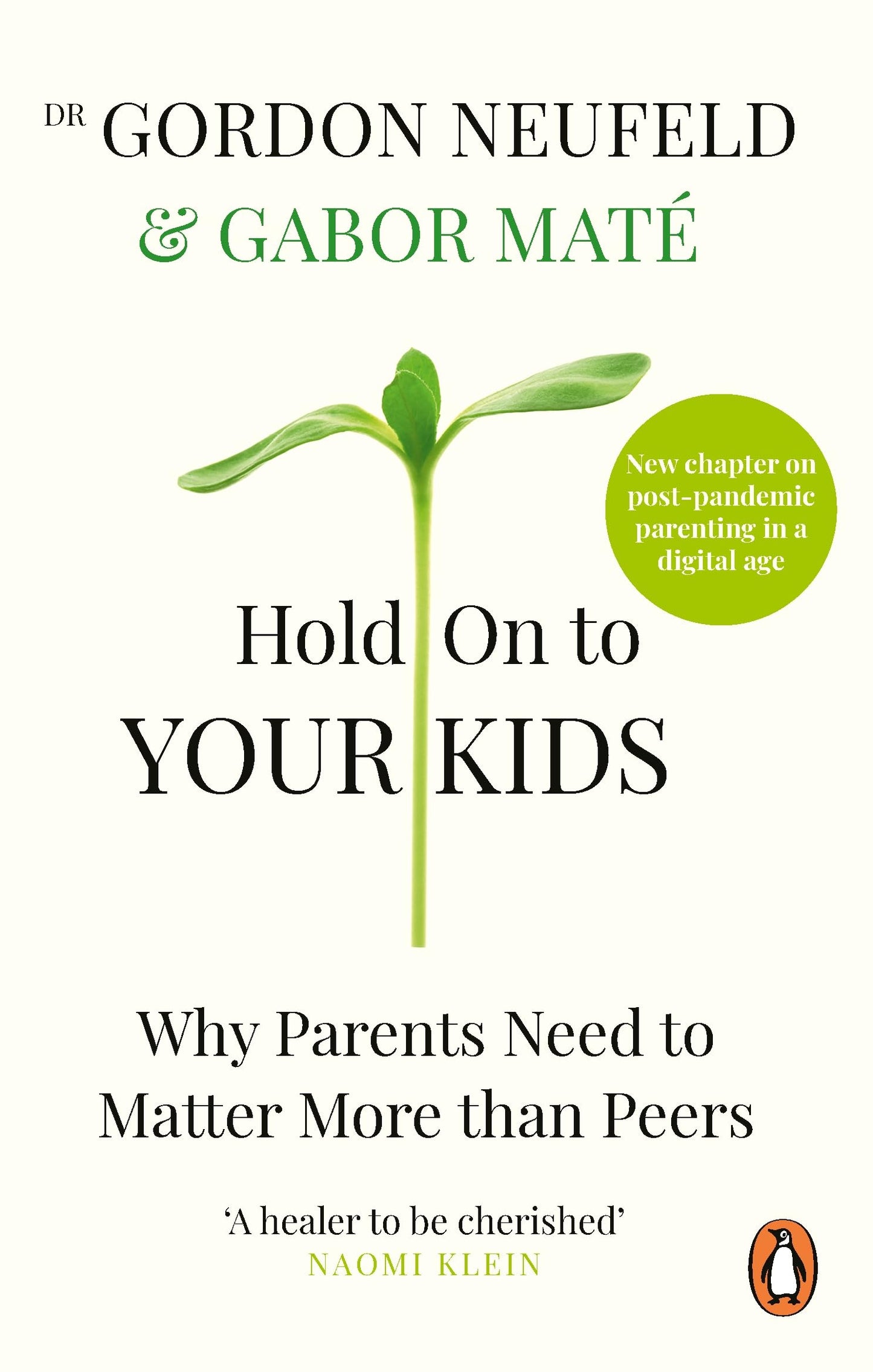


Hold On To Your Kids Maté, Gabor, Neufeld, Gordon
Share
Out of stock
Couldn't load pickup availability
-
Publication Date: Not available
-
Print Length: Not available
-
Binding: Not available
-
Best Sellers Rank: Not available
-
Return Policy 1. Return Window - Eligible for return within 30 days of delivery. 1856. Return Conditions - The book must be brand new (unused, unmarked, and undamaged). Important Notes: If the returned book is damaged or missing components, the refund may be denied. If the book arrives damaged (e.g., due to shipping issues), a full refund will be issued. For returns due to non-quality issues (e.g., buyer’s change of mind), the customer must cover return shipping costs.
-
Ships in 1 Business Day
Share
Guaranteed Secured Checkout

MORE DETAILS
FULL DESCRIPTION
WHAT'S INCLUDED
MORE DETAILS
SHIPPING & RETURNS
Return Policy 1. Return Window - Eligible for return within 30 days of delivery. 1856. Return Conditions - The book must be brand new (unused, unmarked, and undamaged). Important Notes: If the returned book is damaged or missing components, the refund may be denied. If the book arrives damaged (e.g., due to shipping issues), a full refund will be issued. For returns due to non-quality issues (e.g., buyer’s change of mind), the customer must cover return shipping costs.
ABOUT THE AUTHOR
As an avid reader and a mom of 8 kids ages 0-18, I have read a ton of good parenting books, and this one is a new addition to my Top-5 list. It explains the foundational importance of attachment so clearly and also explains why there are so many troubled kids these days. This book give insights for all parents, working or not, whether your kids are 2 or 15, public-schooled or homeschooled, biological or adopted. To safeguard our kids, they need to be willing to value parental input *over* that from friends, and this books explains exactly how to keep them hearing us. I got this book from the library, but I am buying it so I can read it again and also loan it to all my friends and relatives. Dynamite.
tears of relief that someone is naming so many things that have been upsetting me but I didn't have ways to talk about them. If you read Judith Harris's book _The Nurture Assumption_ (or just the rave reviews) and wondered if parents really don't matter, _Hold On to Your Kids_ is the wise rebuttal to that book: parents--and other caring adults--matter so much that children can't grow up without them. The reason it looks like parents don't matter is that by adolescence, most children in our culture have transferred their attachment to their peers in response to the void left by parental confusion, distraction, immaturity, and lack of cultural support. The result is just what you would expect when abandoned children parent each other--a sense of profound loss and group orphanhood. And if one generation doesn't really grow up, how can we expect the people of this generation to raise the next generation with care and wisdom? But _Hold On_ doesn't beat up on parents or children about this--and it doesn't offer macho bromides (ala John Rosemond or --the most dangerous "expert" in my view-- James Dobson). Instead, it offers a respectful, mature statement of what the authors believe is most important in parenting--to connect persistently and well with our children so they can use us to build meaningful lives. Here is wisdom that reflects appreciation of the importance of attachment dynamics. One doesn't have to agree with all their suggestions in order to feel profoundly grateful for this book. Thank you, Gordon Neufeld and Gabor Mate.
There is a lot to like and admire here, but I think there is also much that can be debated. I think the authors risk allienating the same group of parents they wish to target mainly because as they talk about recognizing the good intention in children, they don't seem to give parents the same benefit. I would suggest readers read this, and re-read this to sort out all of the questions it raises in the mind of a parent. I've heard both Nuefeld and Mate in interviews, check out Gordon's website for these, and they clarity a lot of things that simply don't come accross clearly in the book, this is such a big issue and they may simply have tried to accomplish too much in one book for my taste, part research, part sociological survey, part parenting advice. I also felt Mate's own views and words were clipped and I find much of his broad-picture analysis more helpful, encouraging than Neufeld's, but as the book is based mostly on Neufeld's work, Mate's ideas appear on the back burner. The notion of instict is also very curious and challenging, especially when saying that past generations have had more instict than parents today. Most parents reading books like this one do so to avoid the mistakes their parents made in those "good old days." Anything worth writing about is usually worth reading, and that makes this is a valuable text. In a next book, I would love to hear them share how early parenting practices can prevent later peer orientation.
I must say this book does stand on in that it presents a radically different view of parenting than most books I've read. It holds that the most important thing for kids is a very strong relationship with their parents, and that almost all of the woes of today's kids are caused by them being peer oriented instead of parent oriented. The authors make a very strong case for this being so. I was convinced by the time this part of the book was over. However, as with many books of this type, the section where we are told what to do about this problem is weaker. Most of the ideas would work best with a very young child that has not yet become peer oriented. If you already have a child who is rebellious and addicted to being with peers, I don't think that speaking to them kindly and looking them in the eyes is going to do much. The author gave an example with his own children of taking them away on a week's vacation with just the child and the parent. That sounds good, but I don't think his children had the severe problems of the other examples we are given.The book also has the perspective of parents that are caring, kind, loving and have their childrens' best interests at heart. I know parents who read parenting books are more likely to fit this perspective, but I kept thinking that not all parents are that completely wonderful. I think many a child has been saved from a childhood that would otherwise be hellish BY their friends. The author also feels children's friendships are not really true friendships, that they are not mature enough to have true friendships. I respect their courage to say that peer relationships are not as important as we are always led to believe. But I do think that childhood friendships can be true ones. I know I still am very, very close with at least 3 of my friends from young childhood, and I can say looking back that our friendship was true from the start.I don't mean to overly dispute the message in this book. I think it's an extremely well written and brave book, and I will be influenced by the ideas presented here very much. I just think it's like most ideas taken to the extreme---they fall apart a bit when this is the case. But I do want to thank the authors for presenting this view of parenting. It is going to play a part in my decision whether or not to homeschool my oldest child.Definately worth a read!
Best book I’ve ever read about creating and maintaining, nurturing, loving and safe relationships with our children. Truly clarifies the nap between Peer attachment and parenting attachment.Love this book.
Shipping
Ships in 1-2 Business Days.
Click Here for more info.

30 Day Returns
Enjoy Free 30 day Returns & Exchanges
Top-notch support
Email us for help with an order.
info@thelimitlesschapters.com

Secure payments
All payments are secured using latest SSL Encryption.